Technology is changing the way we work—and that includes industries you might not expect. One surprising leader in the world of automation? Healthcare.
While it may seem like a hands-on, people-focused field, healthcare has quietly embraced automation to make systems more efficient, improve service, and reduce human error. From appointment scheduling to diagnostics, automation is helping professionals save time and focus on what matters most: patient care.
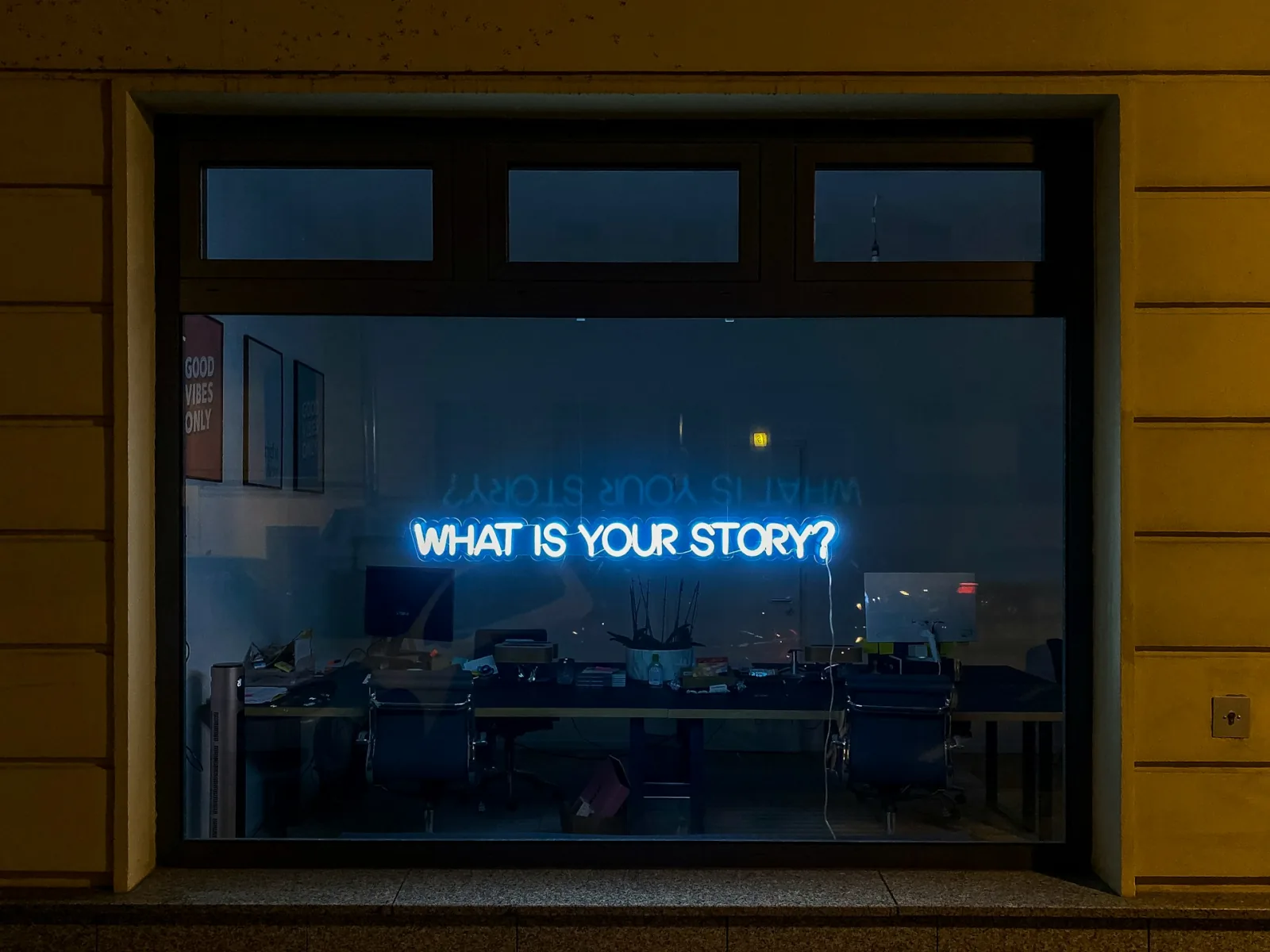
Brand storytelling is all about building an emotional connection with your audience and positioning your brand as the solution they didn’t know they needed. But it’s not enough to just tell your brand’s story; you need to show it.
To achieve this, visual content will be your strongest storytelling tool.
As attention spans continue to shrink, visual content is becoming increasingly relevant. It grabs people’s attention, helps them process information quickly, and evokes emotional responses that build loyalty and trust.
Whether it’s a video, an infographic, or an image, the right visuals will take your brand storytelling to new heights.
So, stick around. This article shows you how to enhance your brand storytelling through visual content. You’ll find out what visual content is, why it ties in for strong brand storytelling, and how to use it to make your brand unforgettable.
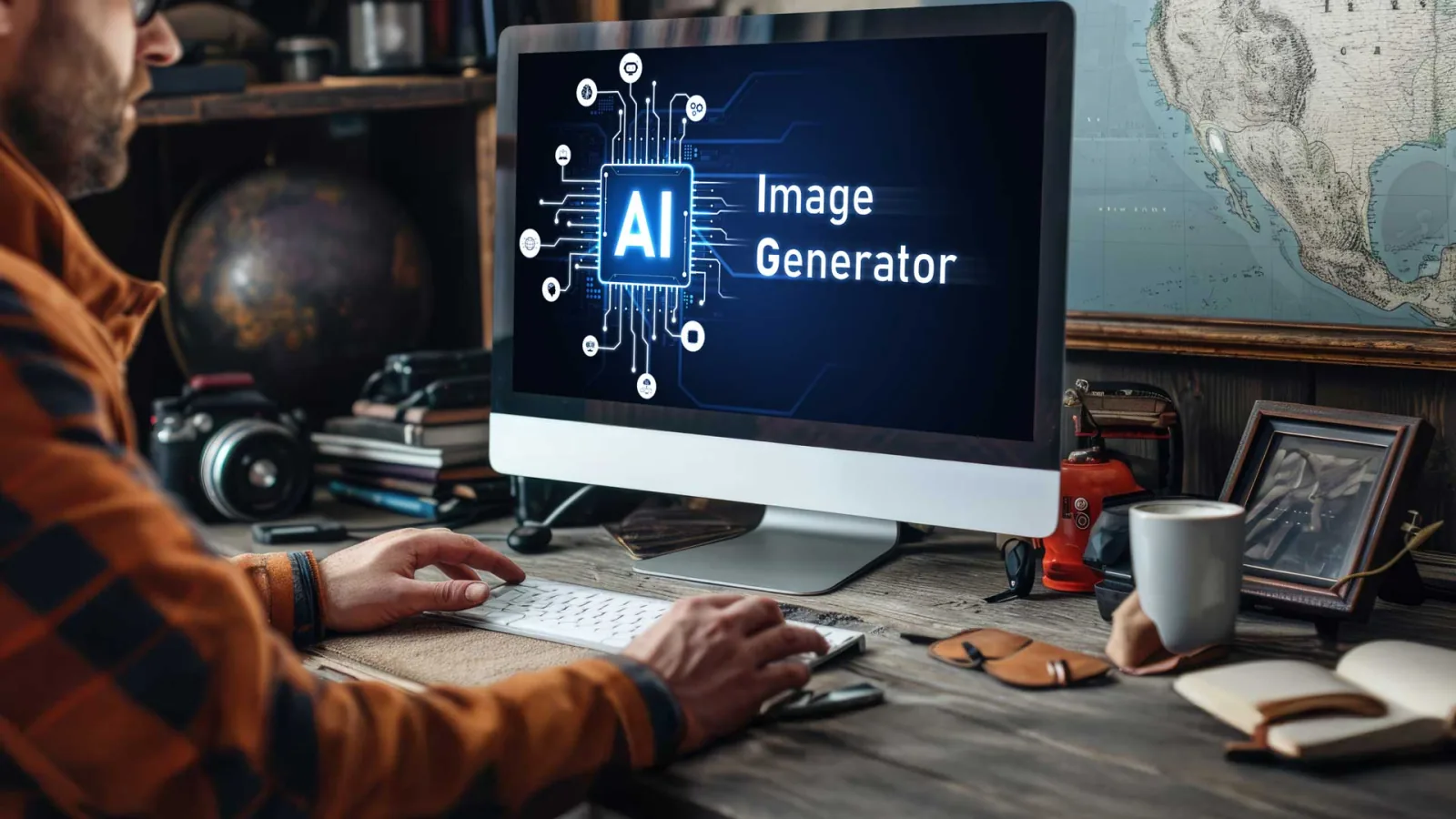
You've likely noticed how much the creative market has changed in the past few years. It's no longer about design skills—it's about working fast, creating at scale, and staying on top of trends. Marketers and small businesses especially feel the pressure. They need to deliver more content promptly while remaining high-quality. This is where artificial intelligence makes a real difference, and the Freepik AI Suite is leading that shift in the creative world.
Freepik’s AI tools are a goldmine for creative marketing and digital design professionals. They help cut production time and open the door to exploring new styles. Whether you’re tweaking visuals, building digital designs, or experimenting with the latest design trends, a tool in the suite makes the grind feel much less grindy.

A viral TikTok video or a trending topic can often seem like a random, organic occurrence that no one is really in control of. However, it is the digital marketer's job to engineer and cultivate this kind of online attention, and the process behind it is very particular.
It's a long, complex, and research-heavy project, with weeks or even months of work behind the scenes before a campaign goes live. In this article, we'll highlight the key elements of a high-performance digital campaign and explore how these strategies guarantee success.