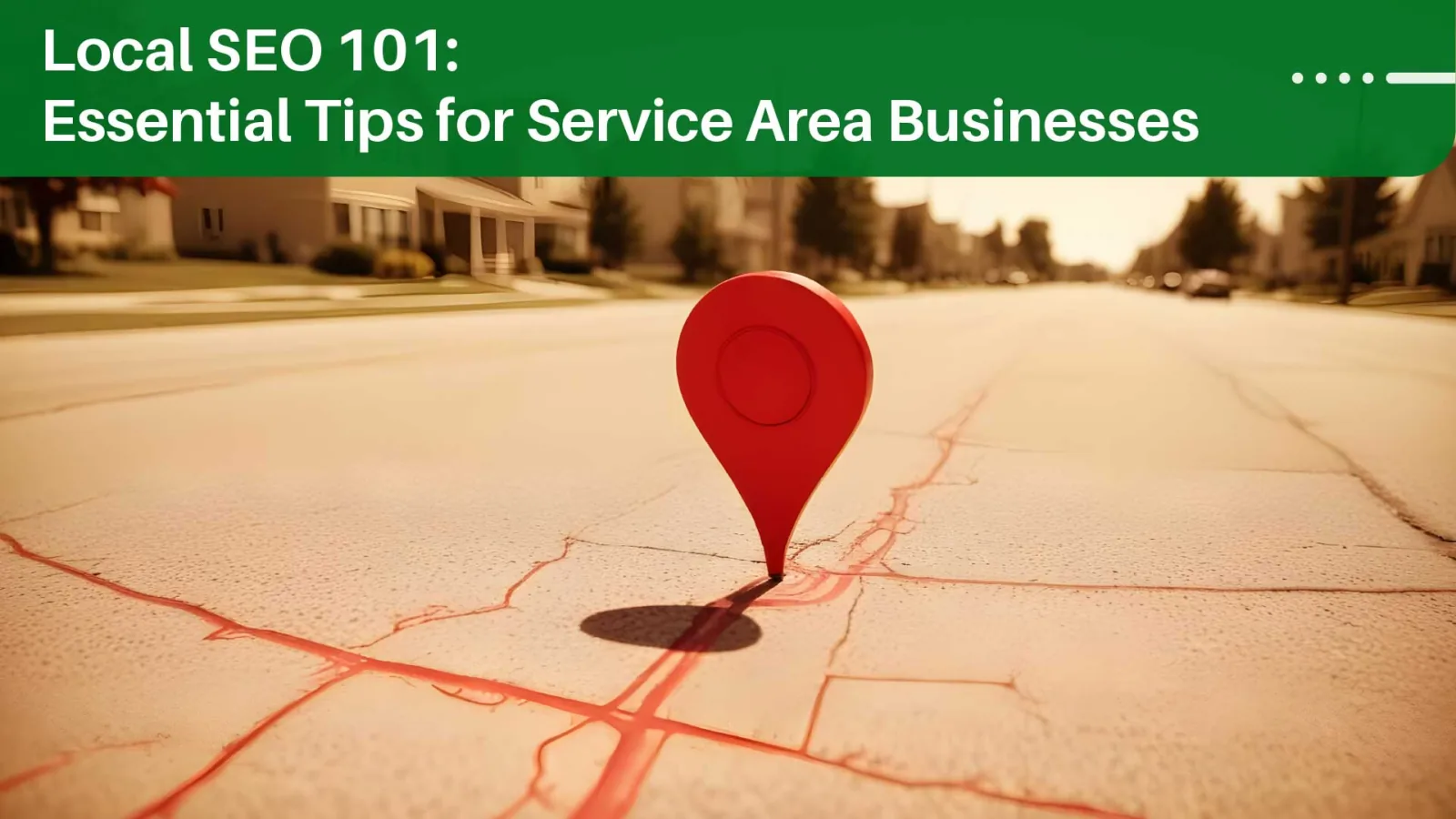
Did you know that according to The State of Local Marketing Research 2020 by Brandmuscle, "only 58% of partners have claimed their Google My Business Listing [now Google My Business Profile]"? They say, "Searches with local intent make up 46% of all Google inquiries and over 2 billion direct connections with local businesses." That's a lot of potential customers searching for businesses like yours! The SEO Tribunal says that "97% of people learn more about a local company via the internet."
You may be thinking, "Okay, self (no shame if you actually talk to yourself), how do I get found for these types of searches?" The bigger question is, are you ready to take the plunge into the world of local SEO? Maybe you've just started your business or realized your existing one isn't showing up well online. Or perhaps you've taken on a new role at a local service business that's been struggling because no one on the team has experience with digital marketing, and now they're counting on you to save the day.
Don't panic! This article is here to throw you a lifeline by answering some of the most common questions service area business owners have when searching the web. I'll guide you through the key concepts step-by-step so you can confidently navigate local search for your service area business. So, put on your floaties, and let's jump in!

Written By: Chad J. Treadway | July 29, 2024
Chad is a Partner and our Chief Smarketing Officer. He will help you survey your small business needs, educating you on your options before suggesting any solution. Chad is passionate about rural marketing in the United States and North Carolina. He also has several certifications through HubSpot to better assist you with your internet and inbound marketing.

Feeling stuck in a rut with your marketing campaign? We’ve all been there.
Crafting great content can help get you back on track. After all, 97% of marketing experts report some level of success with content marketing. By diversifying your content, you can tap into this winning strategy and boost your campaigns to new heights.
In this article, we’ll guide you through six smart ways to use different content formats to supercharge your campaigns. You’ll learn how to grab your audience’s attention, keep them engaged, and drive better results.
Whether you’re a content marketing newbie or just need a fresh spark, these tactics will help you create a more dynamic and effective content strategy. By the time you finish reading, you’ll have a plethora of fresh ideas to try out.
Let’s begin.
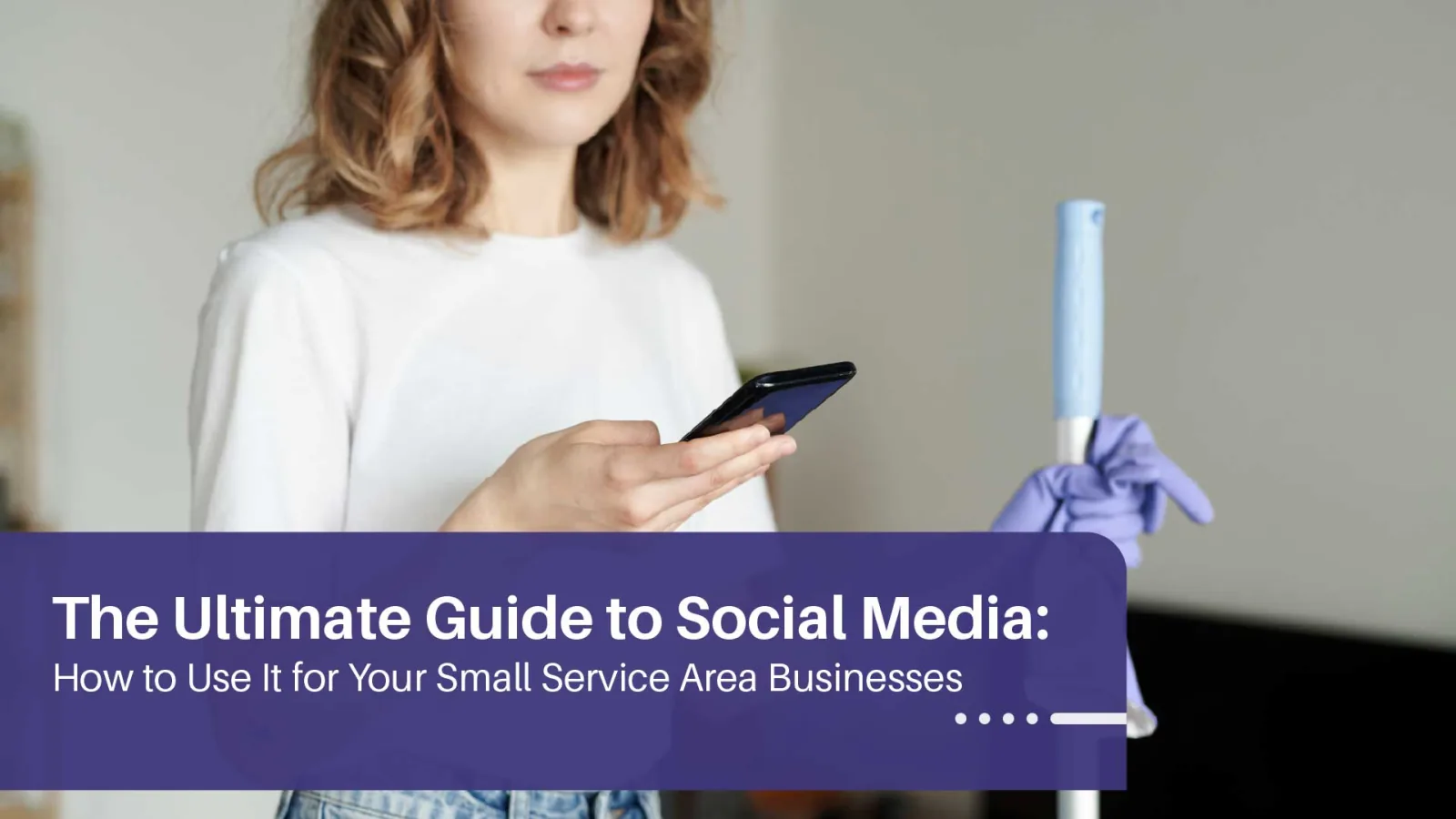
In today’s digital age, social media has become an indispensable tool for businesses of all sizes to connect with their target audience, build brand awareness, and drive growth. For small service area businesses like plumbers, roofers, landscapers, and HVAC companies, having a well-planned social media marketing strategy is more important than ever.
Did you know that 74% of people use social media to decide where to shop locally? Imagine Leak Stoppers Plumbing, a small plumbing company in Asheville, NC, struggling to attract new customers. They transformed their business by implementing a robust social media strategy, doubling their customer base in just six months. This story illustrates the immense potential that social media holds for businesses willing to invest time and effort into crafting an effective strategy.
Social media platforms offer cost-effective opportunities to build brand awareness, establish authority and authenticity, engage with customers, drive website traffic, improve search engine rankings, advertise affordably, generate leads and conversions, facilitate positive word-of-mouth marketing, and deliver excellent customer service and support.
By maintaining an active social media presence on platforms like Facebook, Instagram, X (formerly Twitter), Threads, TikTok, Pinterest, and LinkedIn, small businesses can strategically leverage influencer marketing, share valuable content, showcase their brand personality, and directly promote their products and services to their target audiences. Social media marketing is essential for attracting new customers, increasing sales, gaining insights into customer behavior, and fostering strong customer relationships and retention. Despite privacy concerns or platform changes, consistent efforts and a customized approach can yield significant returns on investment for small businesses, making social media an indispensable component of their overall marketing strategy.

Written By: Hannah Kilpatrick | July 24, 2024
Hannah Kilpatrick Cube Creative DesignHannah Kilpatrick graduated from Western Carolina University in 2021 with a Bachelor of Science in Communication with a Minor in Marketing and a Concentration in Public Relations. She has been around social media since its creation. (Meaning, she was in the first grade when Facebook became available to the general public.) As our very own professional Gen-Z, Hannah is a whiz when it comes to social media creation and paid advertising.
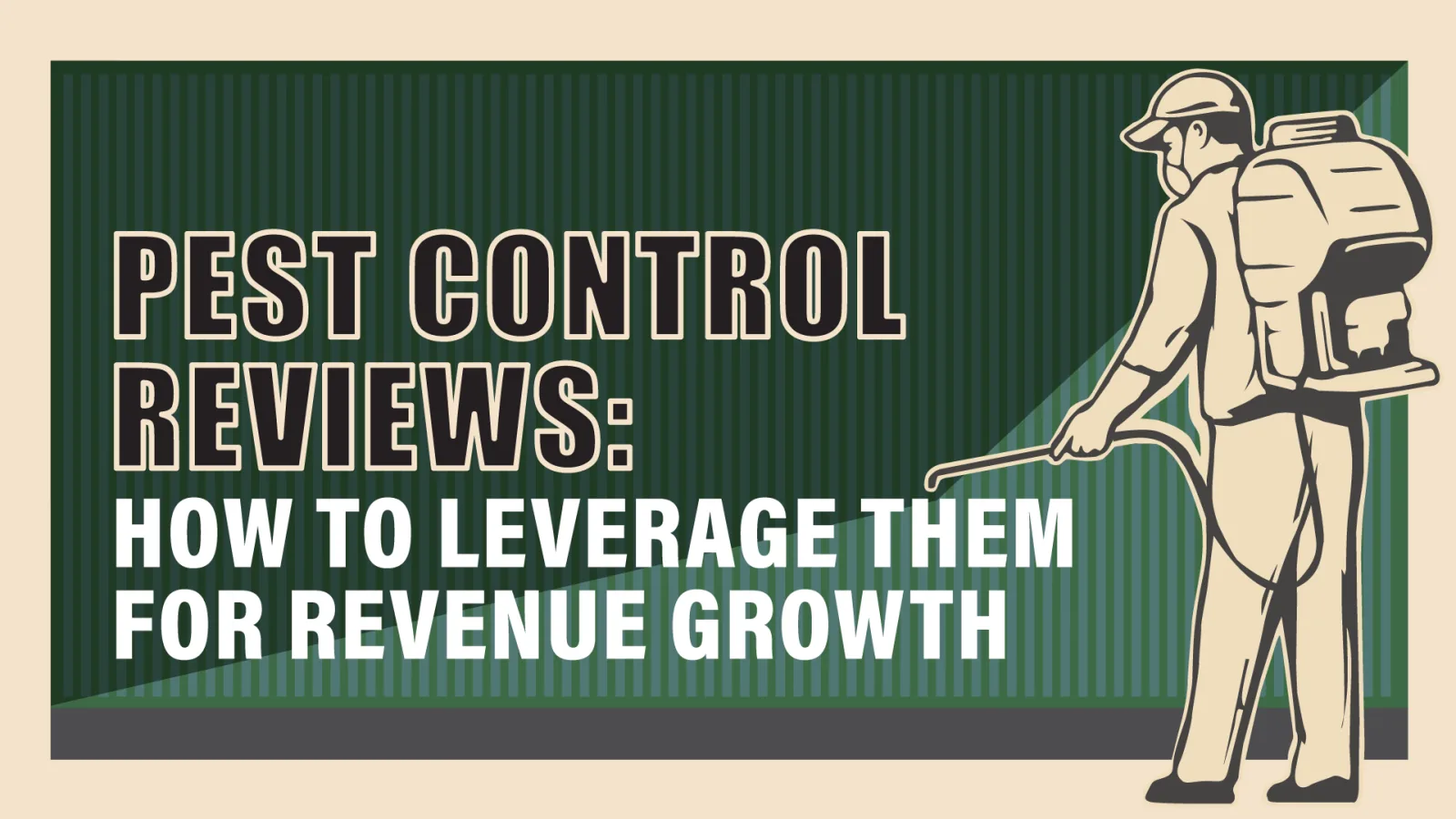
In today's day and time customer reviews have become the lifeblood of any businesses. They serve as a powerful tool for building trust, attracting new customers, and ultimately driving revenue growth. For pest control businesses, harnessing the power of customer reviews can be a game-changer in an increasingly competitive market.
Picture for a moment a homeowner discovers a pest infestation and frantically searches online for a reliable pest control service. They come across two local companies – one with a handful of mediocre reviews, and another with dozens of glowing testimonials praising their professionalism, effectiveness, and exceptional customer service. Which one do you think they'll choose?
Customer reviews have become the modern-day word-of-mouth, with the power to make or break a business. A study by BrightLocal found that 92% of people said that they read testimonials when considering a purchase and that 79% say they trust online reviews as much as personal recommendations from friends or family.
But how can small pest control businesses effectively leverage customer reviews to boost their bottom line? It all starts with understanding the impact of reviews on revenue, implementing strategies to encourage customers to leave feedback, and effectively managing and responding to reviews across various platforms.
In this post, we'll dive deep into the world of customer reviews and explore proven tactics that small pest control businesses can implement to harness their power. From crafting the perfect review request to turning negative feedback into opportunities for growth, we'll provide actionable insights and real-world examples to help you take your pest control business to the next level.
Get ready to unlock the revenue-boosting potential of customer reviews and transform your small pest control business into a thriving, customer-centric success story. Let's get started!
Written By: Chad J. Treadway | July 24, 2024
Chad is a Partner and our Chief Smarketing Officer. He will help you survey your small business needs, educating you on your options before suggesting any solution. Chad is passionate about rural marketing in the United States and North Carolina. He also has several certifications through HubSpot to better assist you with your internet and inbound marketing.