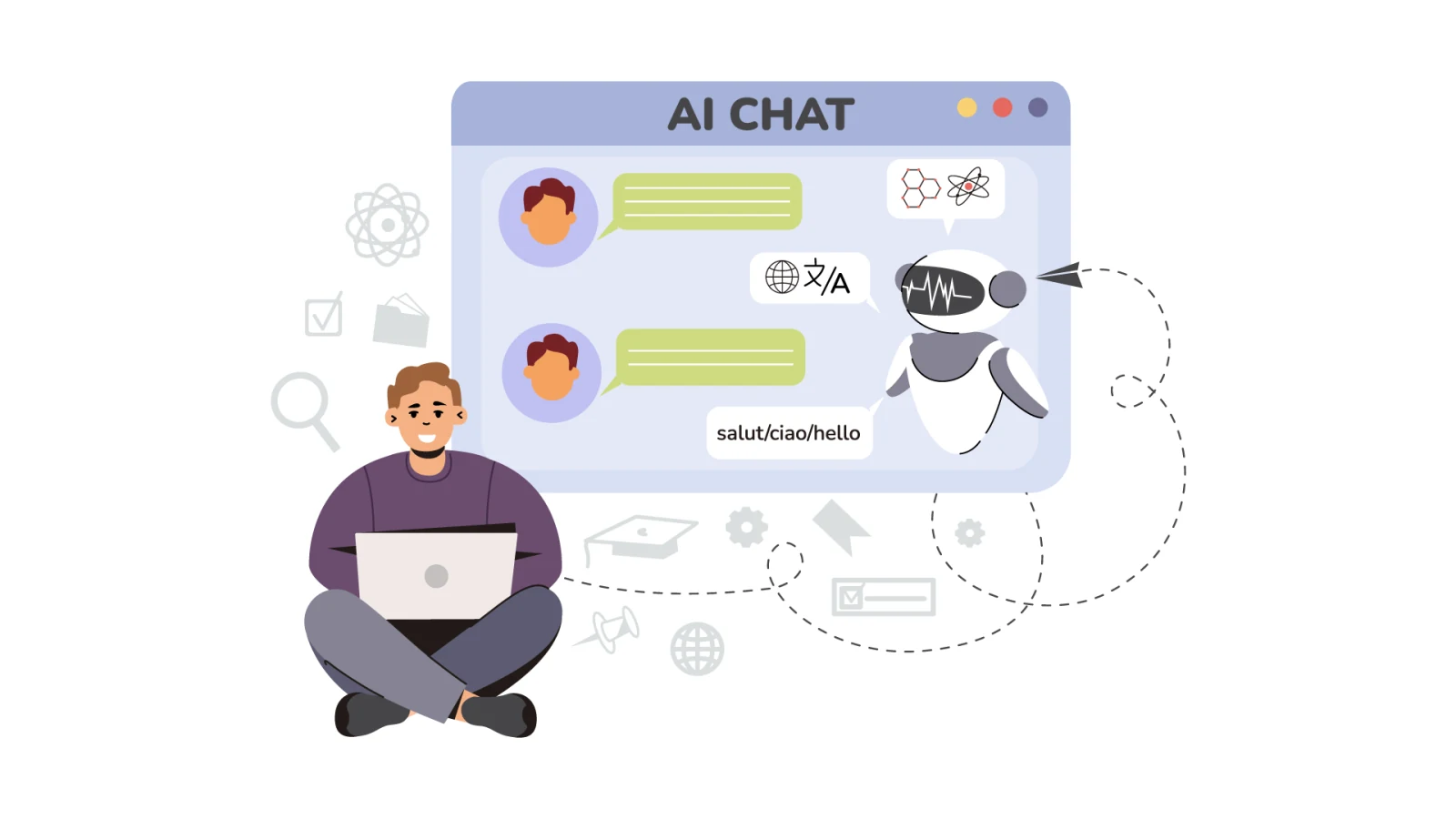
Not every technology investment delivers what it promises, and chatbots have a complicated history in that regard. Early deployments frustrated more visitors than they helped, and many businesses that tried chatbots in their first generation came away with the impression that the technology was not ready for real-world use. That impression is now significantly out of date.
Think of your school's advertising budget like a garden hose. You can blast water everywhere and hope something grows, or you can aim it at the plants that actually need watering. Most schools I talk to are doing the first thing. They're running a Google Ad here, sponsoring a local magazine there, maybe tossing a few hundred dollars at a Facebook post, and then wondering why the phone isn't ringing.
The problem isn't usually the budget. It's the aim.
For private school marketing teams navigating the spring enrollment push, advertising decisions carry real weight. Every dollar you spend on ads that don't convert is a dollar you could have spent on a campus event, a direct mail piece to your top prospects, or a follow-up program that actually moves families through the funnel. This guide breaks down each advertising channel, gives you the real cost benchmarks, and helps you build a strategy that points the hose where it matters.

Written By: Chad J. Treadway | March 23, 2026
Chad is a Partner and our Chief Smarketing Officer. He will help you survey your small business needs, educating you on your options before suggesting any solution. Chad is passionate about rural marketing in the United States and North Carolina. He also has several certifications through HubSpot to better assist you with your internet and inbound marketing.
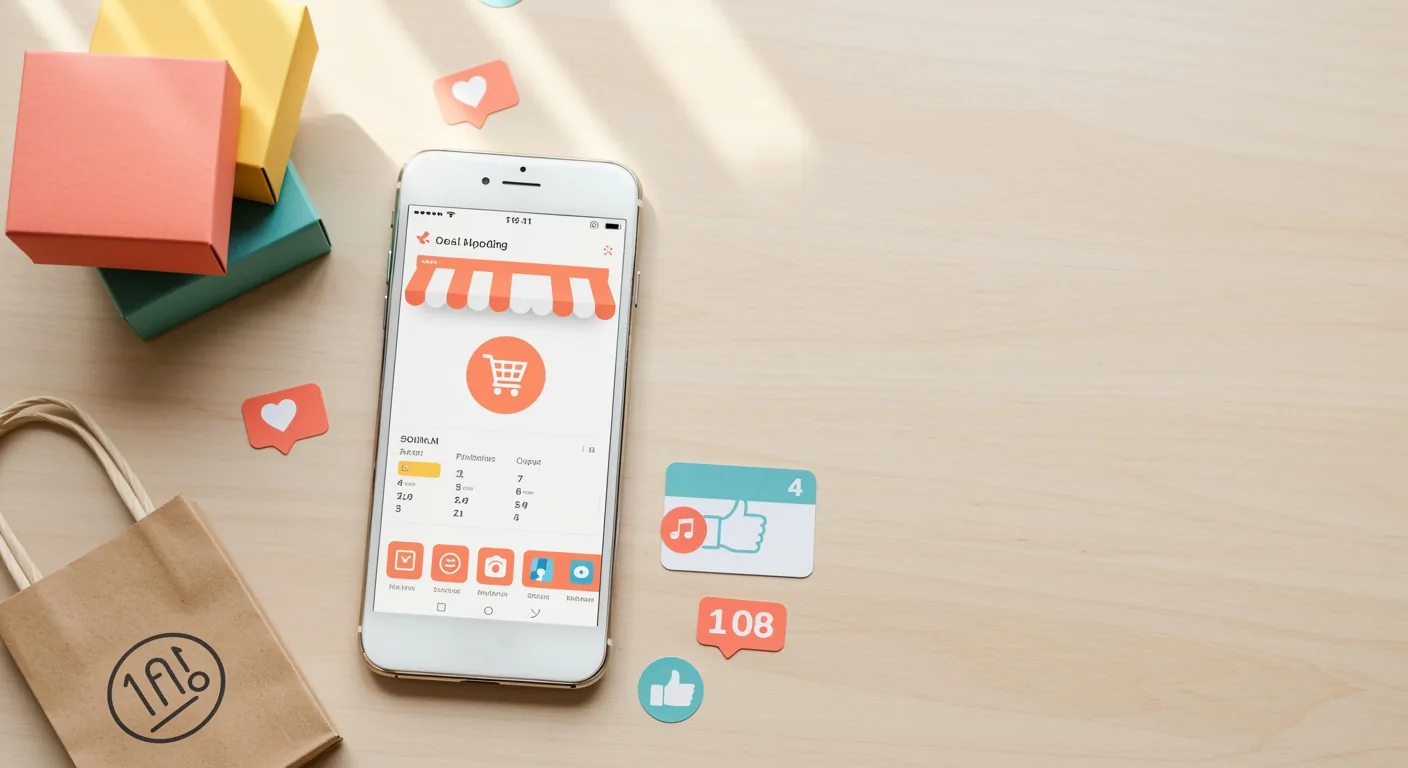
Social commerce is shopping that happens right inside social platforms. People discover a product in a post or livestream. They ask a question in the comments or send DMs. They check out without ever leaving the app.
A decade ago, we were experimenting with "buy" buttons. Today, we've got fully shoppable feeds, in-app storefronts, live shopping, and creator-driven product drops on platforms most of us open before breakfast.
As we hit 2026, social commerce isn't a side channel. It's a daily habit for millions of people and a serious revenue driver for businesses of every size.
Social commerce has changed the game for local businesses—more reach and lower friction. It gives them a chance to bring their signature personal touch online. Think of what's changed and what's working, not to mention where small, local brands can win right now.
Learn more about the state of social commerce in 2026 and beyond. As a local business, read on to prepare for the challenges and opportunities it brings.
Every head of school has sat through a marketing update that felt like drinking from a fire hose. Website traffic up 12%. Social media followers grew by 340. Email open rates averaged 35%. All of it presented with enthusiasm, none of it answering the question that actually matters: are we enrolling enough students?
The problem isn't that independent schools lack data. It's that they're tracking the wrong things, or tracking the right things without the benchmarks that give those numbers meaning. A 35% email open rate sounds impressive until you learn the education sector average is 35.64%, which means you're exactly average. Context changes everything.
This post identifies the KPIs that predict enrollment health, provides NAIS and industry benchmarks for each one, and shows how to size those benchmarks to your school because a 200-student K-8 school and a 700-student K-12 school don't get measured the same way.

Written By: Adam Bennett | March 20, 2026
Adam is the president and founder of Cube Creative Design and specializes in private school marketing. Since starting the business in 2005, he has created individual relationships with clients in Western North Carolina and across the United States. He places great value on the needs, expectations, and goals of the client.