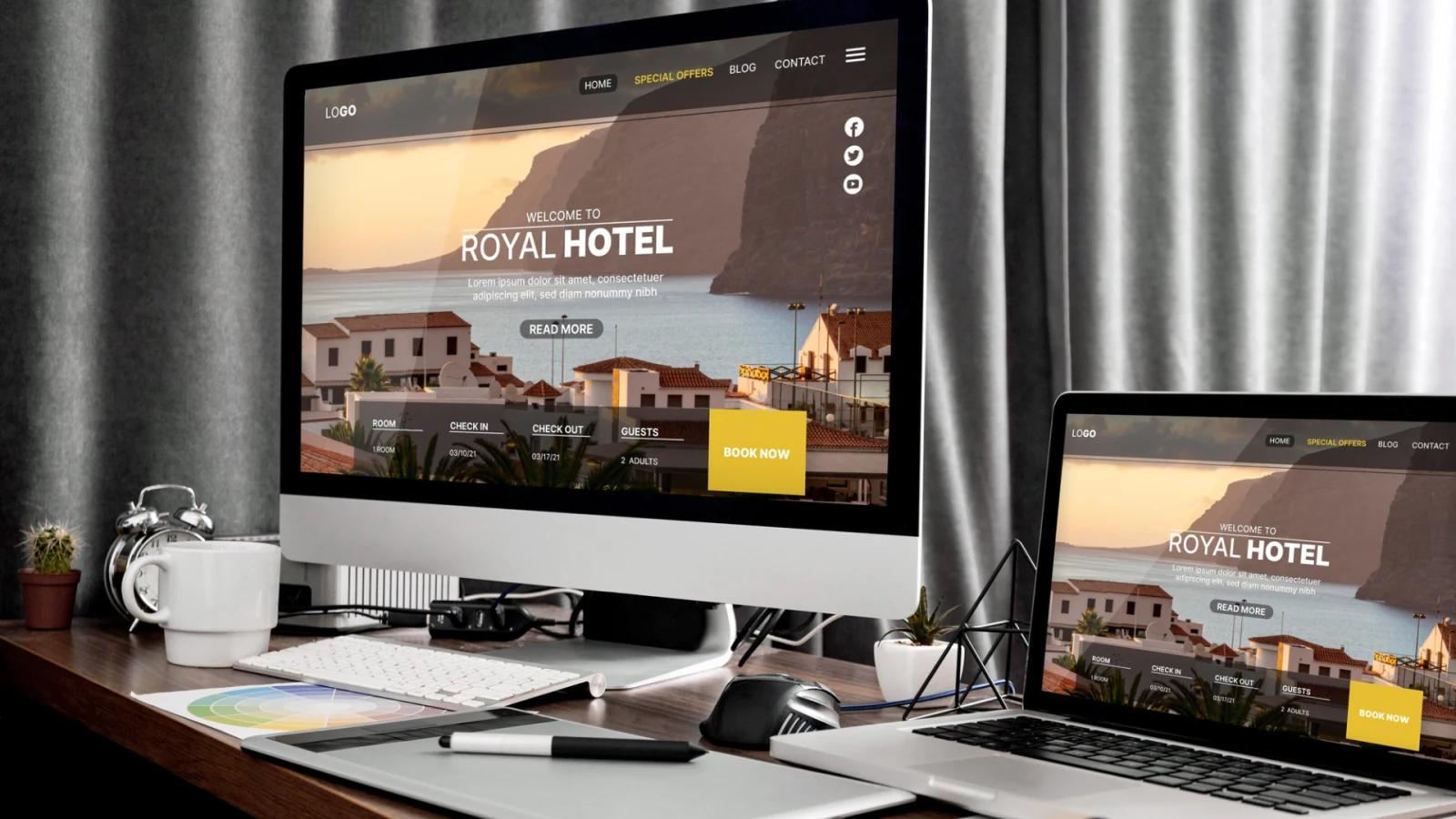
The user visits the small business website, looks around for a few seconds, and either decides to stay or leave. The choice is made quicker than most entrepreneurs think, and it happens without any words from the copy being read. This is the hidden and humble place where contemporary web design services win a lead or miss an opportunity.
Small firms have been thinking about their websites as digital pamphlets for decades - something to own and not something to work for them. This is an extremely old-fashioned method and does not apply to our times anymore. A properly built website is a salesman who would never get sick, never miss a call back, and would always greet all guests in the same manner.

AI no longer requires a massive technology budget. Small businesses can now use AI for marketing, customer service, operations, reporting, scheduling, and other everyday tasks without building everything from scratch.
The bigger challenge is spending money on the right AI capabilities.
Small businesses often make one of these two mistakes. They either subscribe to too many AI tools because each one looks useful, or they invest in a custom AI system before proving that the problem actually needs one.
A smarter approach starts with the business process, not the technology.
Recent research from JPMorganChase shows that entry costs for small-business AI adoption have fallen significantly. Businesses adopting AI in 2025 started at a median monthly spend of about $20, compared with around $50 for businesses that adopted in 2019.
That makes AI more accessible, but businesses still need to control how they spend.

Ask an admissions director where their best-fit families come from, and the honest answer is rarely "our June Facebook campaign." It is some version of "a current parent told a friend." That answer is easy to shrug off as nice-to-have, right up until you try to put a number on it. If you lead marketing for one of the private and independent schools competing for the same families every spring, school word of mouth is not a soft metric you tolerate. It is the channel quietly doing the heavy lifting your paid budget gets credit for.
Here is the uncomfortable part. Most schools spend real money influencing awareness through ads, viewbooks, and open house promotion, and almost nothing influencing the conversations that actually move families to enroll. This post makes the strategic case for flipping that instinct: why personal recommendations outperform your own marketing, where they enter the enrollment funnel, what strengthens or quietly poisons them, and how to treat word of mouth as a channel you can shape instead of a happy accident you hope repeats.

Written By: Adam Bennett | August 26, 2026
Adam is the president and founder of Cube Creative Design and specializes in private school marketing. Since starting the business in 2005, he has created individual relationships with clients in Western North Carolina and across the United States. He places great value on the needs, expectations, and goals of the client.

You already know what October does to your phone. The temperature drops, mice and rats start hunting for somewhere warm, and suddenly every third call is about scratching in the walls. The problem is not that you fail to see rodent season coming. The problem is that your competitors see it too, and most operators start their push the same week. Good rodent control marketing is about showing up before that week, while homeowners are still Googling and your rivals are still asleep. This piece is written for the data-driven operator who runs the kind of pest control companies where every marketing dollar has to prove its worth, not the franchise owner who gets a playbook mailed from corporate.
You do not need a lecture on seasonality. You need a system that gets you in front of the customer before the customer admits they have a problem. That is what the next few thousand words lay out: how big the window really is, why your region changes the message, what to have ready before September, and how to turn the busiest season of the year into recurring revenue that lasts long after the cold breaks.
Written By: Adam Bennett | August 26, 2026
Adam is the president and founder of Cube Creative Design and specializes in private school marketing. Since starting the business in 2005, he has created individual relationships with clients in Western North Carolina and across the United States. He places great value on the needs, expectations, and goals of the client.