Here's a number worth sitting with. In 2025, recurring service plans generated 85.4% of all residential pest control service revenue in the United States. Not a goal. Not a trend to watch. The actual share of the money, already booked. So if you run a 15- to 25-truck operation and your revenue still leans on one-time calls, the question isn't whether the industry is moving toward recurring service. It already got there. The question is why your numbers don't match, and that answer usually lives in your marketing. This guide is about pest control preventive service marketing: the specific work of moving customers from "I'll call when I see something" to a plan that renews on its own. It's written for pest control companies that already understand why recurring revenue matters and want to know how to actually market the shift.
Most content on this topic stops at "recurring revenue is good." You know that already. You've been told to train your techs to ask for the plan. Nobody's handed you the marketing playbook that makes the customer want it before the tech ever opens their mouth. That's the gap this post fills.

Written By: Adam Bennett | August 14, 2026
Adam is the president and founder of Cube Creative Design and specializes in private school marketing. Since starting the business in 2005, he has created individual relationships with clients in Western North Carolina and across the United States. He places great value on the needs, expectations, and goals of the client.

Paid search looks simple from the outside. You bid on keywords, someone clicks, and a lead lands in the CRM. For software companies, the reality is messier, because the click and the closed deal can be separated by six months and a buying committee of eight people.
That gap explains why so many B2B software teams end up looking for agencies that work only in their category. Below is a round-up of six agencies known for paid acquisition work in SaaS, along with the questions worth asking before signing anything.
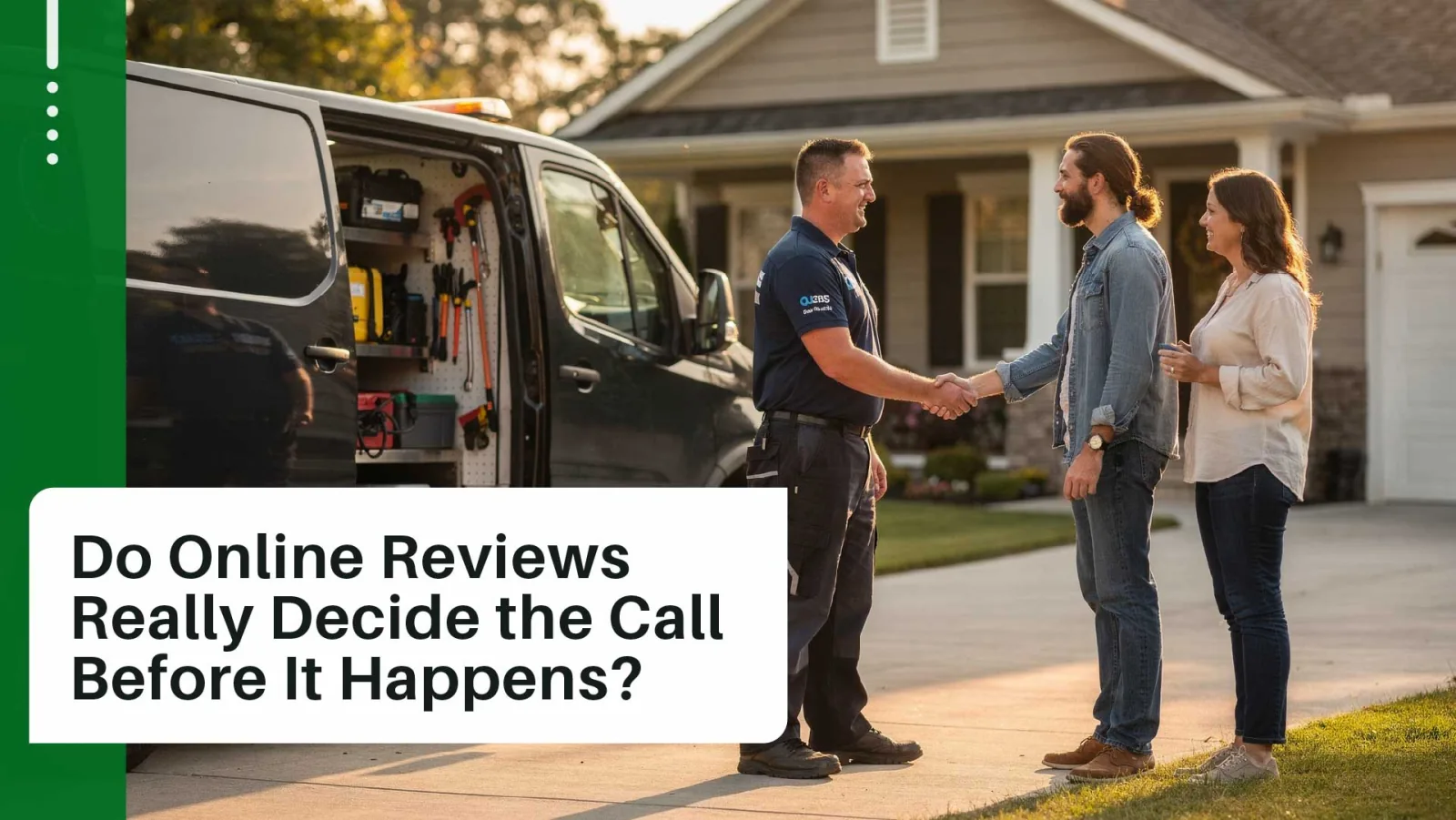
Every home service company sits on a lead engine it barely runs. Not the phone. Not the truck wraps. The reviews. Think of your online reviews like referrals from a trusted neighbor, except this neighbor talks to 500 people at once and never sleeps. Most owners treat review management for home service businesses as something the office manager handles on a slow afternoon. That is the mistake. A finished job is raw material for your next booked job, and whether it turns into a lead depends on whether anyone is running a process behind it. We work with home services businesses that generate this material every day and leave most of it on the table.

Written By: Chad J. Treadway | August 13, 2026
Chad is a Partner and our Chief Smarketing Officer. He will help you survey your small business needs, educating you on your options before suggesting any solution. Chad is passionate about rural marketing in the United States and North Carolina. He also has several certifications through HubSpot to better assist you with your internet and inbound marketing.
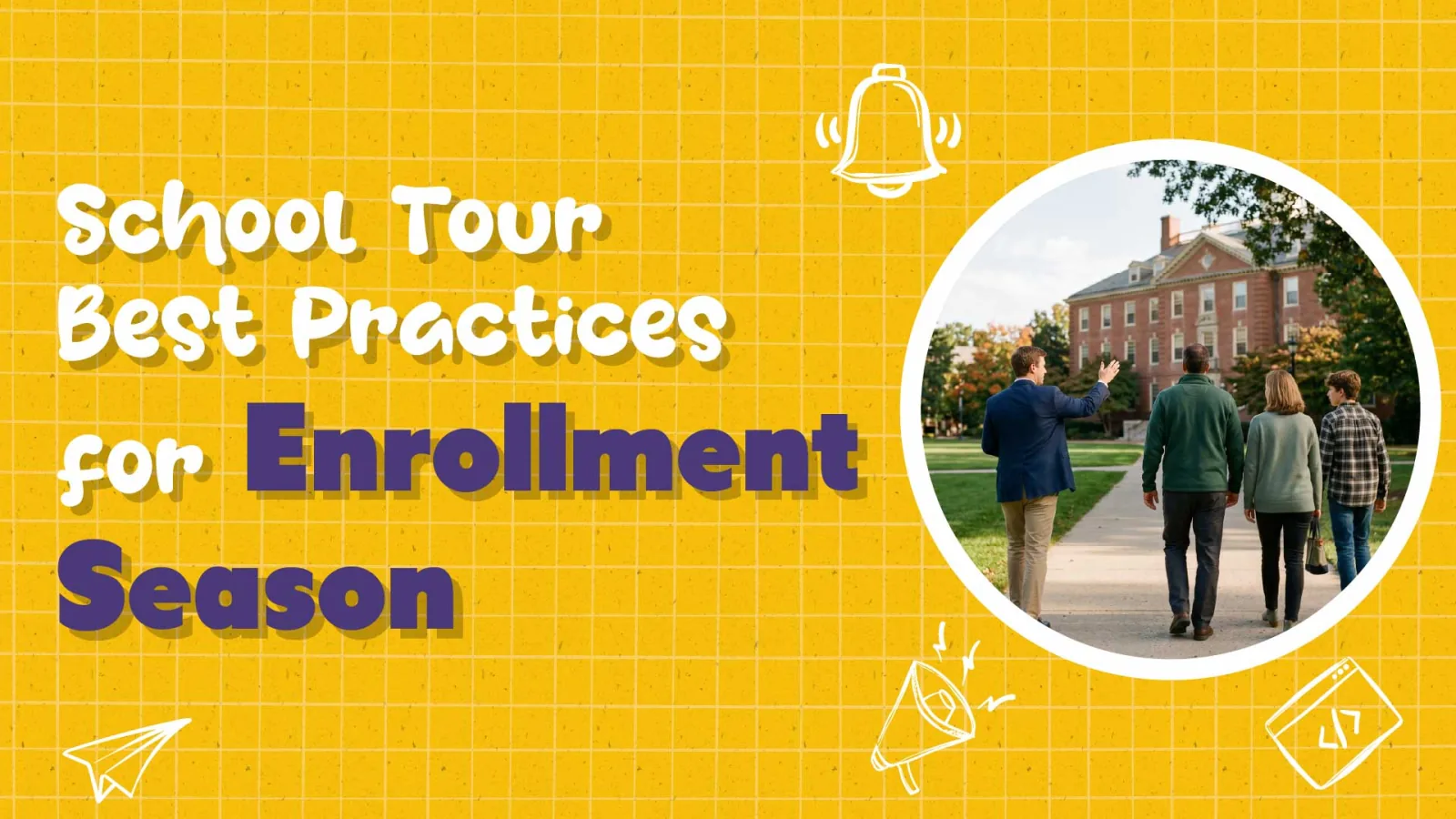
Ask most admissions directors where their enrollment dollars go, and you'll hear about the fall open house, the viewbook, and the paid social campaign. Ask them how they run an individual campus tour, and you'll often get a shrug and whichever parent volunteer happened to be free that morning. That gap is where enrollment quietly leaks. School tour best practices are not a nice-to-have add-on to your event calendar; the private and independent schools that treat the one-on-one visit as their highest-impact admissions moment tend to convert more of the families who walk through the front door.
The data backs this up, and it isn't close. The individual tour is the single most effective thing you can do to move a family toward an application. Yet it's often the least scripted, least staffed, and least measured part of the funnel. This guide is the operational companion to your open house planning: a working checklist for scheduling, guide selection and training, student ambassadors, personalizing the visit, virtual-versus-in-person tradeoffs, follow-up, and the tracking that tells you whether any of it worked.
Written By: Adam Bennett | August 12, 2026
Adam is the president and founder of Cube Creative Design and specializes in private school marketing. Since starting the business in 2005, he has created individual relationships with clients in Western North Carolina and across the United States. He places great value on the needs, expectations, and goals of the client.